
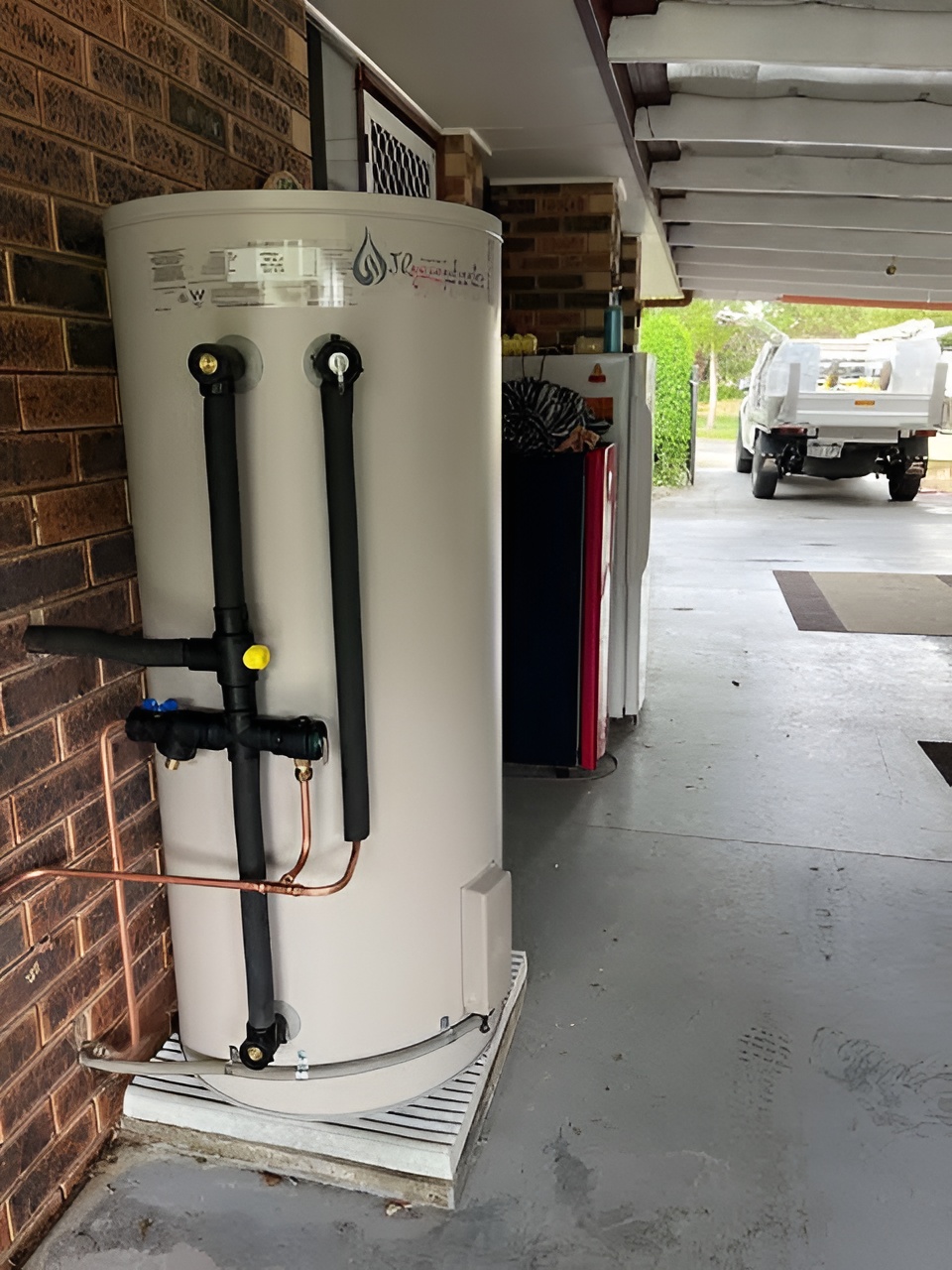
Solar hot water systems are more complex than storage units and they fail in more varied ways. When working correctly, they are highly efficient. When something fails, diagnosing the right component is the part most people get wrong. And the difference between a $200 booster repair and a $3000 collector replacement is significant.
Sydney Emergency Plumbing provides professional solar hot water repair services across Sydney, with experienced plumbers qualified to work on all major system types. We assess and repair solar hot water systems for both thermosiphon and split-system configurations, delivering reliable solutions to restore your hot water quickly.
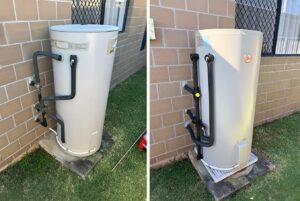
System Types
Solar hot water systems are available in different configurations, and understanding how each one operates can help identify potential issues and the most suitable repair approach.
- Thermosiphon System: The storage tank is mounted on the roof above the solar collectors. Hot water circulates naturally through convection, so the system operates without the need for a circulation pump.
- Split System: The storage tank is installed at ground level while the solar collectors are positioned on the roof. A circulation pump transfers the heated fluid between the collectors and the storage tank to deliver hot water efficiently.
The Booster Is More Often the Problem Than the Collectors
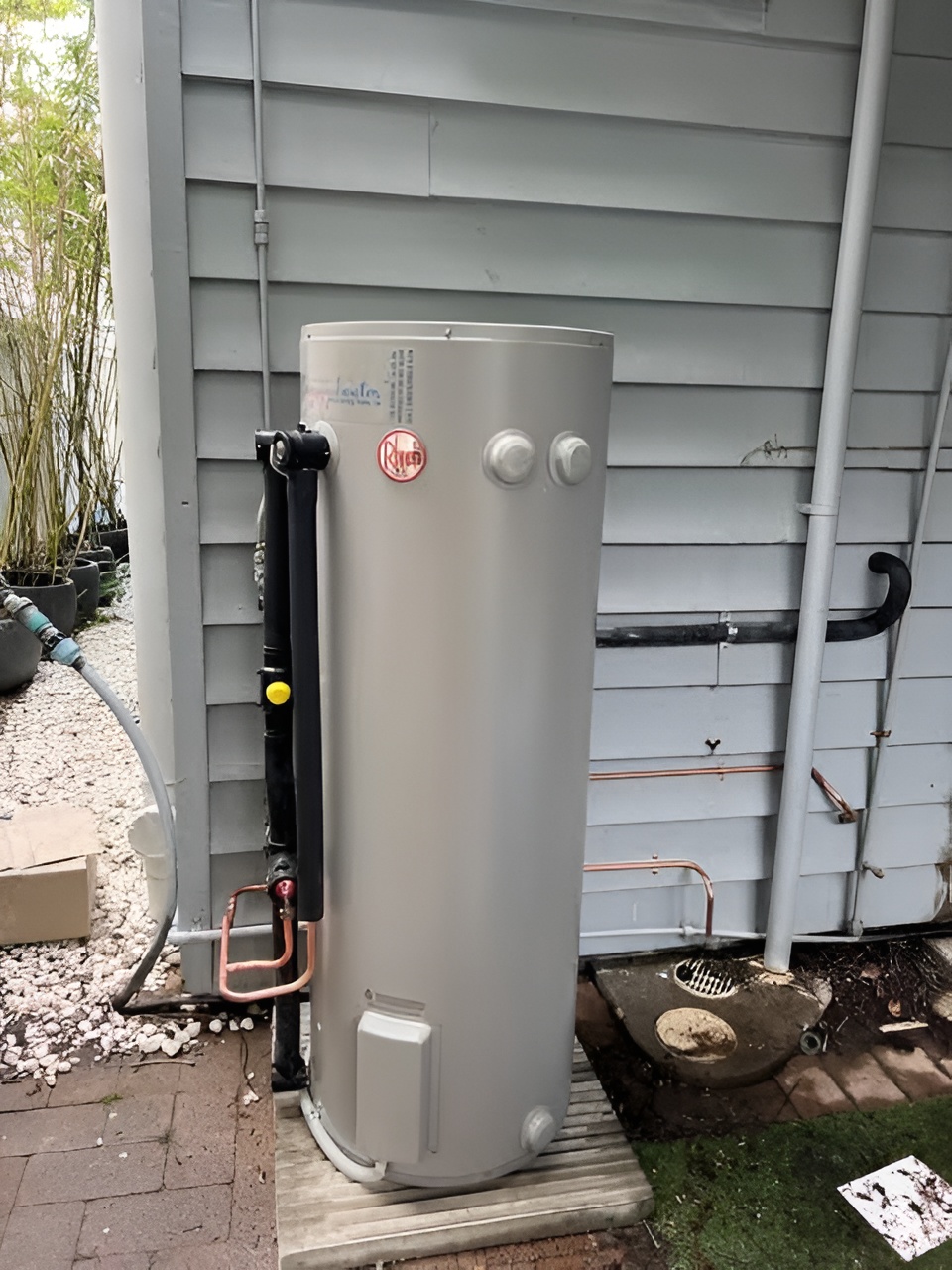
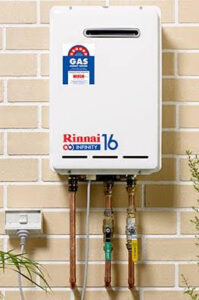
Here is what most people get wrong when their solar hot water stops: they assume the solar component has failed. In practice, booster failures are far more common than collector failures. The booster - gas or electric - operates independently of the solar collectors, and its failure looks identical to a collector failure from the user's perspective.
No hot water after a run of sunny days? Still possibly the booster. At Sydney Emergency Plumbing, we check the booster first before touching the roof.
Solar Hot Water Faults by Component
Collector faults
- Flat plate collector damage from hail or impact.
- Evacuated tube breakage or air infiltration reducing output.
- Collector fluid leak on split systems.
Tank faults
- Anode rod depletion causing internal tank corrosion.
- Pressure relief valve failure or constant weeping.
- Tank body leaking from internal corrosion.
Split system circulation faults
- Circulation pump failure – the most common split system fault by volume.
- Temperature sensor failure causing incorrect pump operation.
- Controller failure affecting pump timing and response.
Booster faults
- Gas booster: Pilot failure, gas valve fault, or igniter failure.
- Electric booster: Element failure or thermostat fault.
- Booster isolation valve accidentally left closed after servicing.
After Storm or Hail Damage
Flat plate solar collectors are vulnerable to hail damage. After a significant storm, inspect collectors from ground level if possible. Fractured glass or visible casing damage means collector performance has been compromised. We carry out post-storm assessments and advise on repair vs replacement based on the damage found.
Need Solar Hot Water Repairs? We're Ready to Help
Whether your system has stopped heating, is leaking, or isn't performing efficiently, Sydney Emergency Plumbing is here to help. Our experienced plumbers assess all major solar hot water systems and provide practical, long-lasting repair solutions to restore your hot water as quickly as possible.
Call 0406 244 167 to book your assessment.