Electric Hot Water System Repairs and Replacements Across Sydney: Diagnose, Repair, Replace
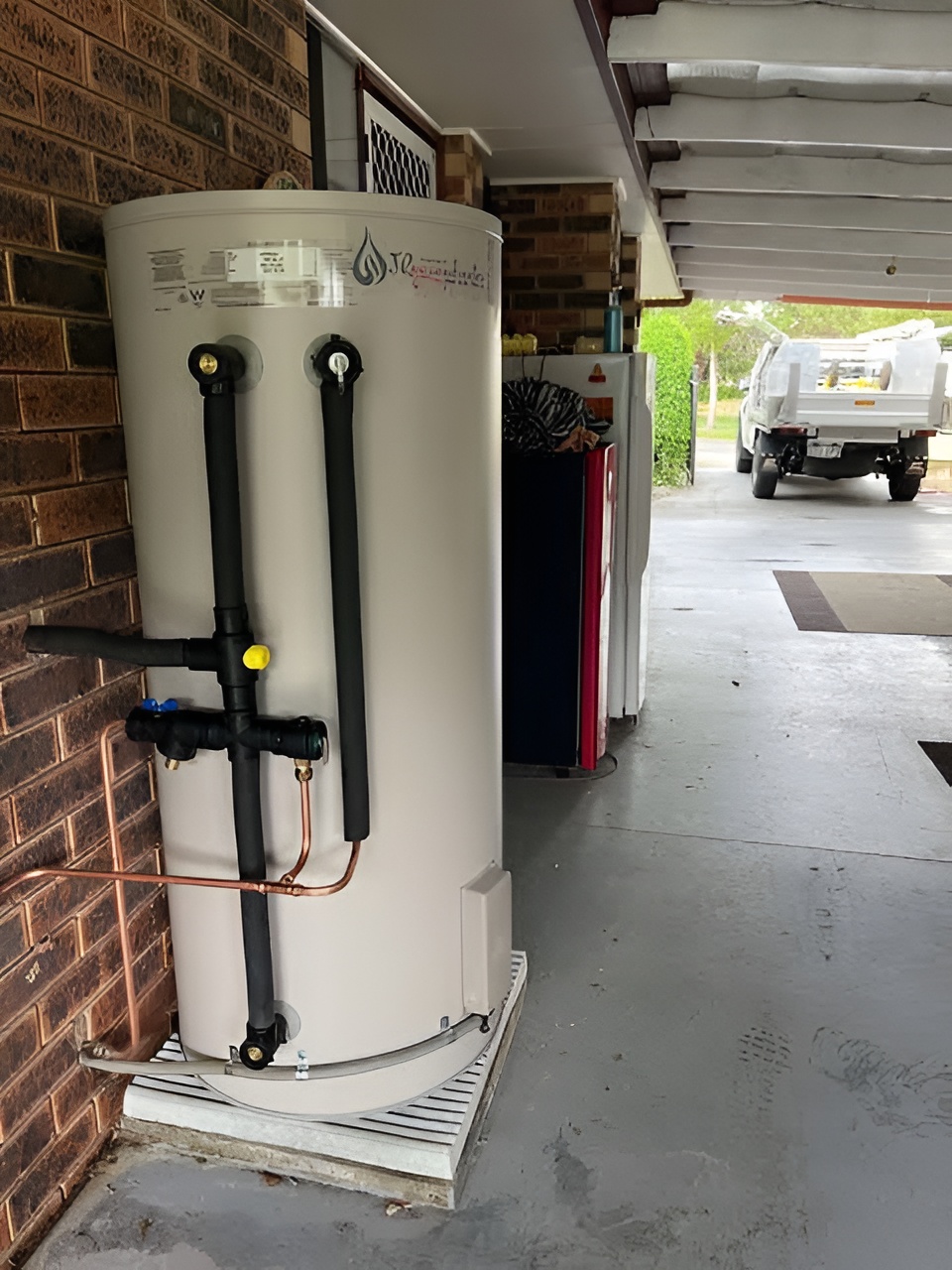
Electric storage hot water systems are straightforward by design. An element heats water stored in an insulated tank. A thermostat cuts the element when the set temperature is reached. A pressure relief valve protects against over-temperature. Three main components are responsible for the system's operation, and each can develop faults over time.
That simplicity is an advantage when diagnosing faults. Most electric hot water problems trace to one of those three components, and many can be repaired without replacing the entire unit.
At Sydney Emergency Plumbing, experienced plumbers diagnose electric hot water system faults and recommend practical repair or replacement solutions based on the condition and age of the unit. Accurate fault diagnosis helps avoid unnecessary replacement and ensures the most suitable solution is provided.
Electric hot water system repairs and replacements are available across Sydney for most major brands and storage systems.

Common Electric Hot Water Faults
Electric hot water systems can develop faults over time as components wear out or reach the end of their service life. Recognising the likely cause and early symptoms can help determine whether the system requires repairs or replacement.
- Failed heating element: Commonly caused by scale build-up or brief dry running, resulting in little or no hot water and a cold storage tank.
- Thermostat failure: Usually occurs due to age or calibration drift, causing the system to stop heating or continue heating continuously.
- Pressure relief valve dripping: Often caused by excessive temperature or pressure inside the tank, leading to a constant drip from the valve outlet.
- Anode rod depletion: Occurs naturally over time and can accelerate internal tank corrosion if not replaced during routine maintenance.
- Tank leaking: Typically caused by internal corrosion after the anode rod has deteriorated, resulting in a visible leak from the tank body.
The Anode Rod: What Most Homeowners Do Not Know
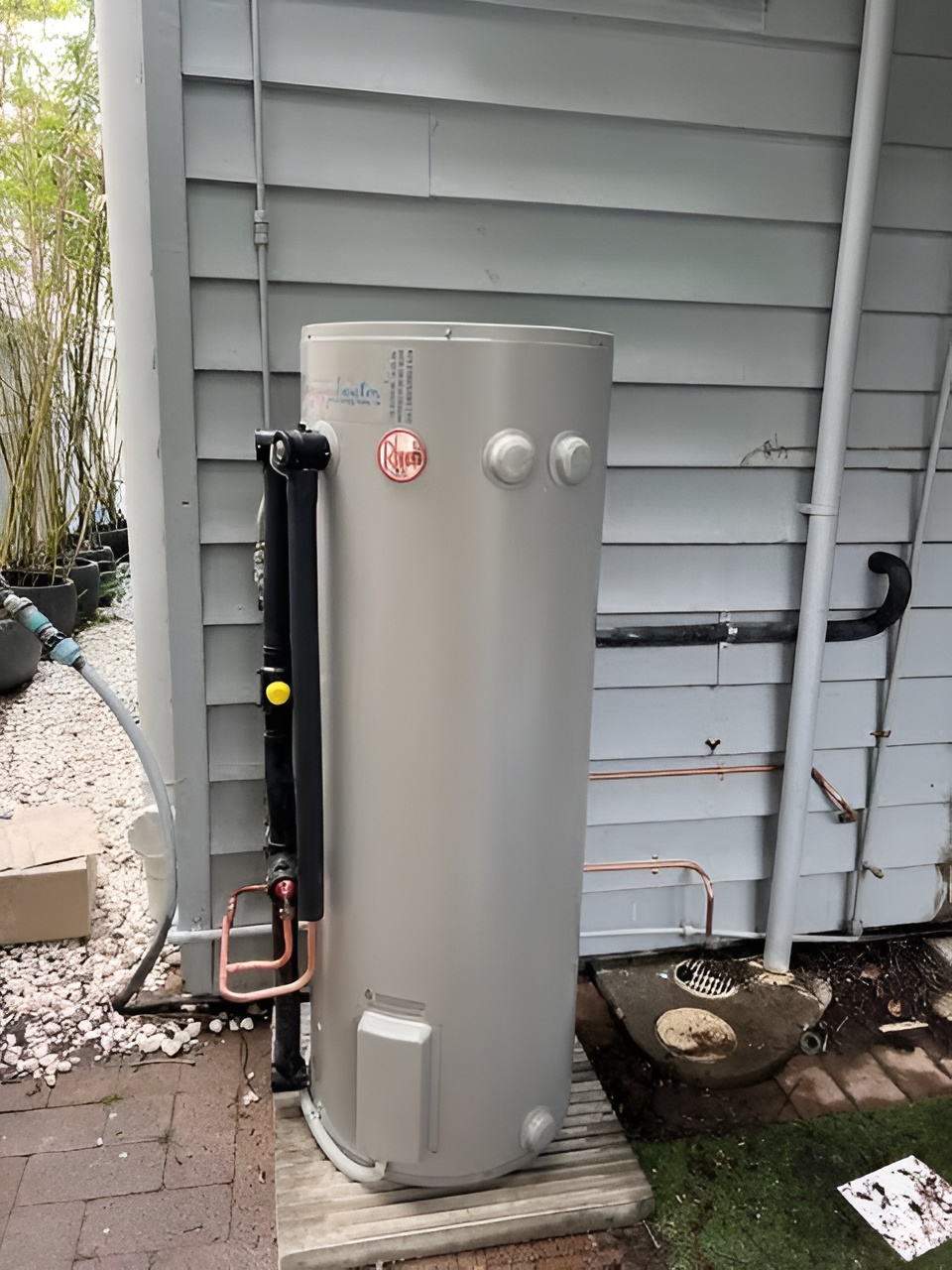
Inside every electric storage tank is a sacrificial anode rod—typically magnesium or aluminium—designed to corrode in place of the tank lining. As long as the anode is active, it protects the tank. When it is depleted, the tank itself begins corroding.
Replacing an anode rod is a scheduled maintenance task most homeowners never know exists. Systems with periodic anode replacement regularly outlive their expected lifespan. Systems where the anode rod is never replaced are more likely to experience premature internal tank corrosion.
Repair vs Replace Decision Guide
Fully-stocked service vans
The following guidelines can help determine whether repairing an electric hot water system is more practical than replacing the entire unit.
- Element failure on unit under eight years: Replace the element, not the unit.
- Thermostat failure on any age unit otherwise in good condition: Replace the thermostat.
- Leaking tank body: Replacement only – tanks are not repairable.
- Unit over 12 years with element failure: Compare the repair cost against the replacement cost before making a decision.
Upgrading to Heat Pump
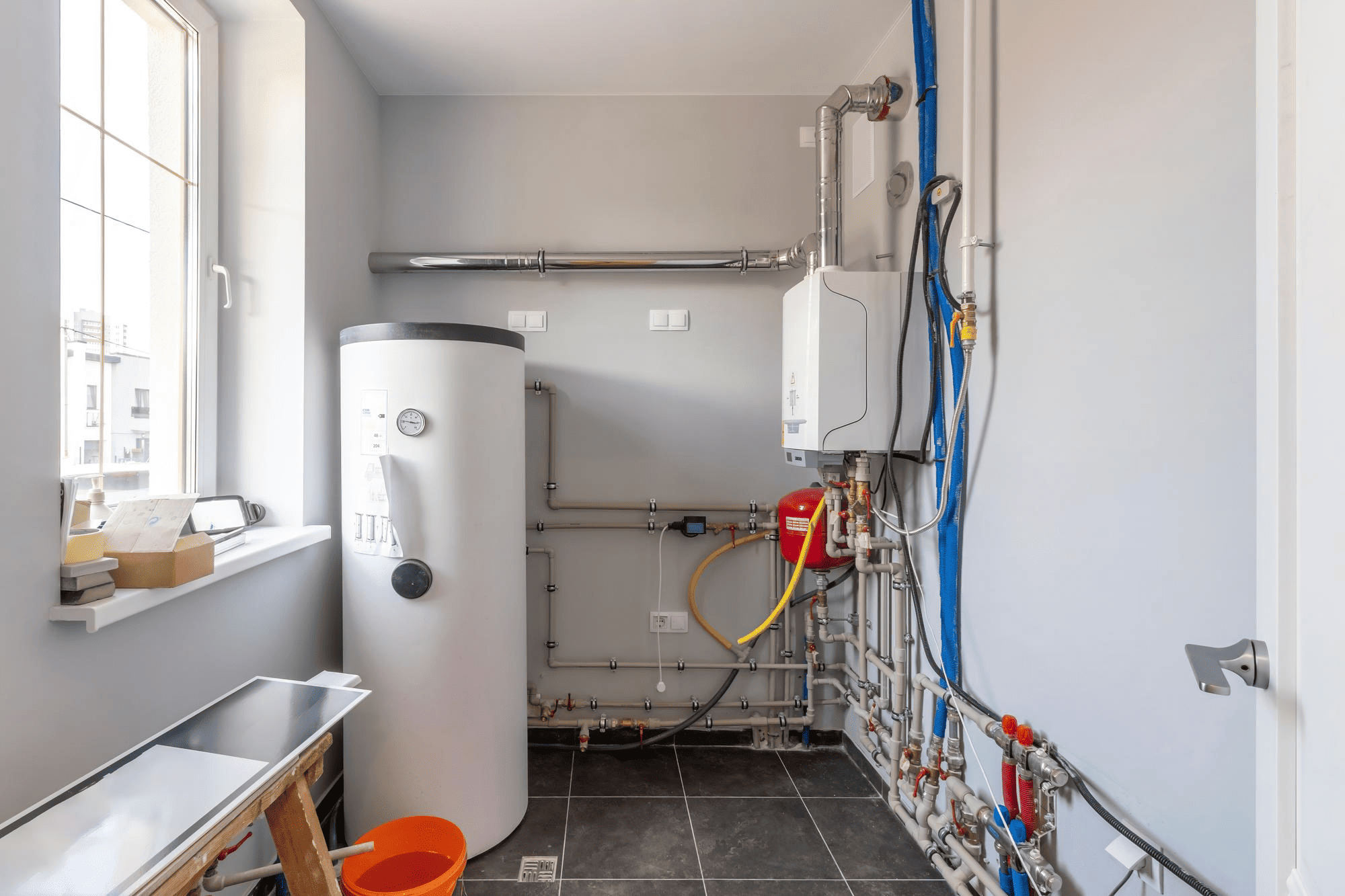
Heat pump hot water systems use electricity but operate at three to four times the efficiency of a straight electric element. If you are replacing an electric storage system, a heat pump is worth considering. Government rebate programs may be available, depending on current eligibility requirements, helping reduce the upfront cost of upgrading.
Book Professional Electric Hot Water System Services
Same-day electric hot water system services are available across Sydney for most repair and replacement jobs. Whether your electric hot water system has stopped heating, is leaking, or requires a replacement due to age, Sydney Emergency Plumbing provides practical solutions for a wide range of electric storage hot water systems. Call 0406 244 167 to arrange a professional assessment and discuss the most suitable repair or replacement option for your property.